
When seeking a replacement car key, many vehicle owners are surprised by the variety of key technologies on the market today. Knowing what type of key your car uses helps you understand the required equipment, timing, and security procedures needed to produce a working spare or replacement.
1. Traditional Mechanical Keys
Common on vehicles manufactured prior to the late 1990s and some commercial fleet trucks, mechanical keys rely entirely on physical cuts along the blade. There are no electronics or microchips inside the plastic head. Cutting these keys requires only a calibrated mechanical duplicator.
2. Transponder Chip Keys
Introduced to curb vehicle theft, transponder keys contain a miniature glass or carbon RFID microchip embedded directly in the plastic key head. Even though you still insert the physical blade into an ignition switch and turn it, the car's immobilizer antenna surrounding the ignition cylinder must detect the valid chip code before releasing the starter and fuel pump.
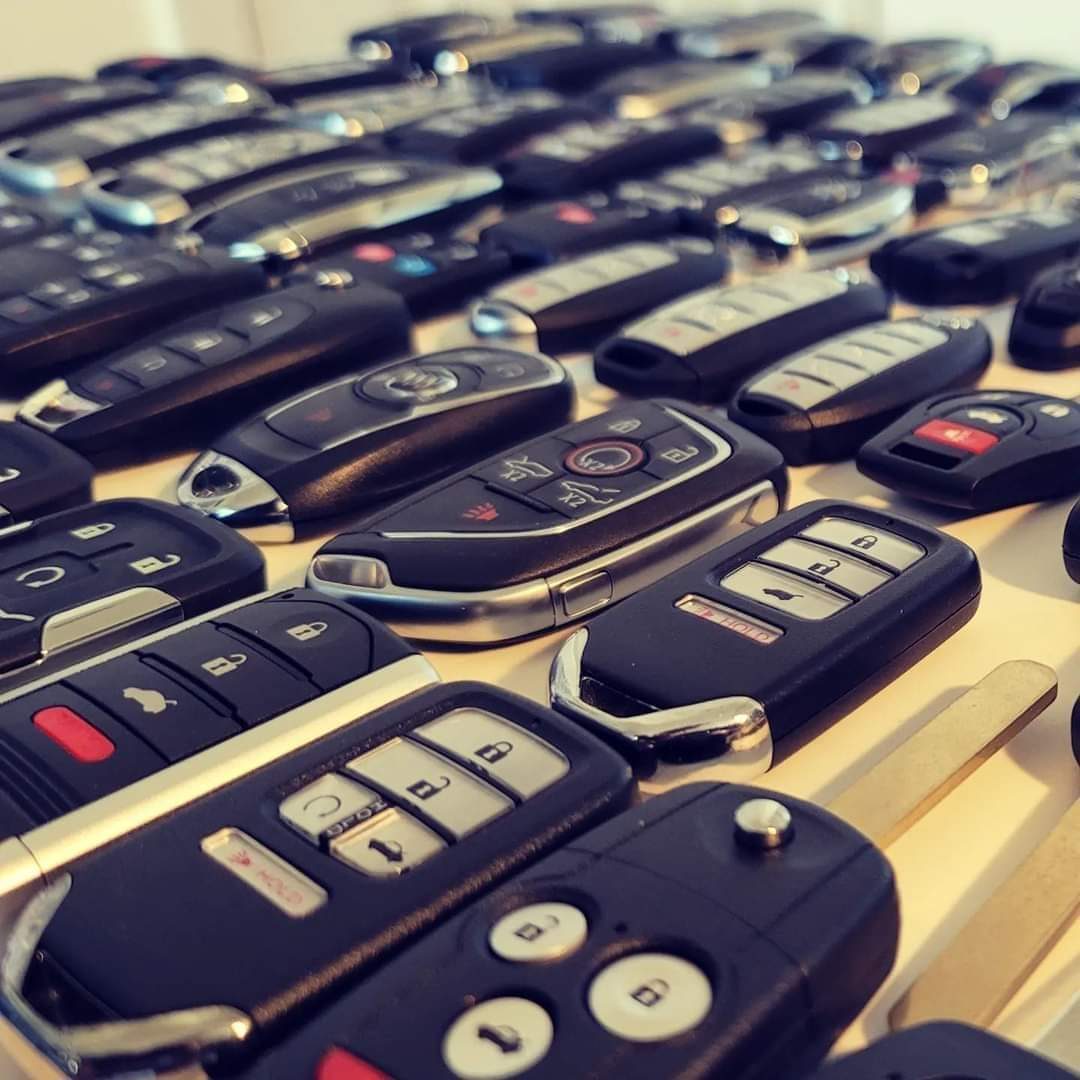
3. Remote Head & Flip Keys
Popularized by Honda, Ford, Volkswagen, and Hyundai, remote head keys integrate the door lock/unlock buttons and the transponder chip into a single unified housing. Flip keys feature a spring-loaded switchblade mechanism that conceals the key blade when not in use.
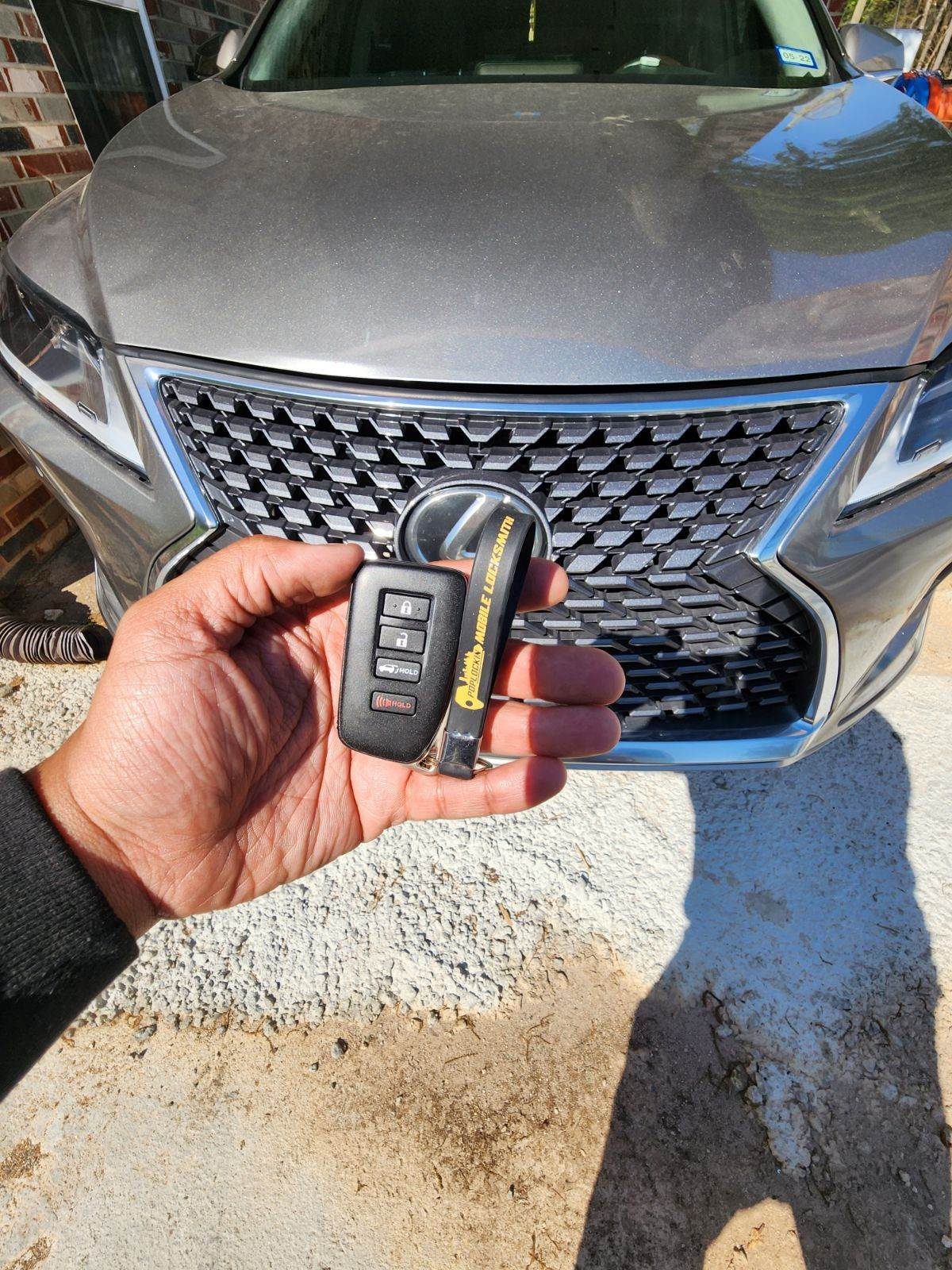
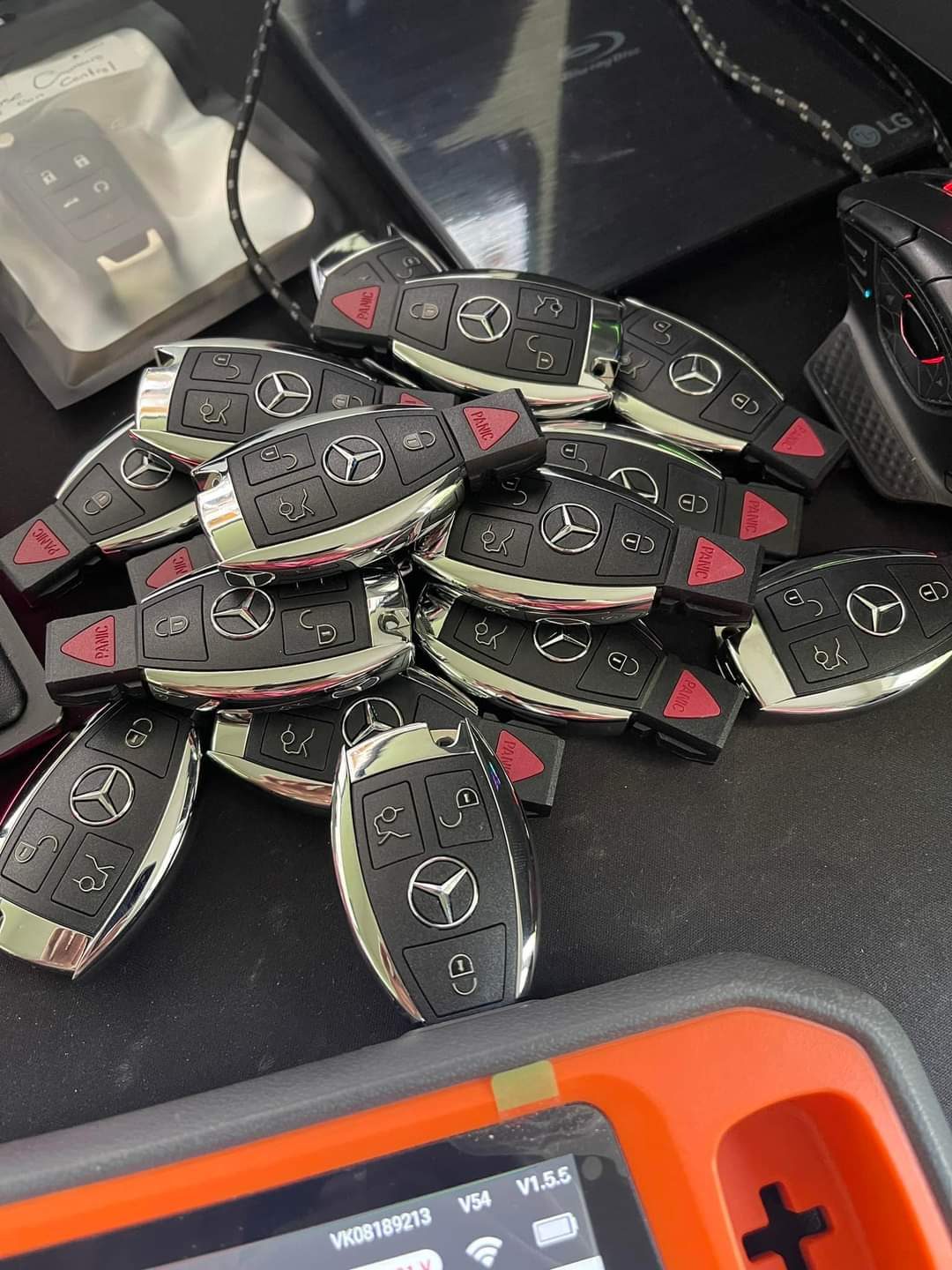
4. Smart Proximity Fobs (Push-to-Start)
Standard on most modern vehicles, proximity keys eliminate the physical ignition cylinder entirely. The vehicle continuously senses the key's presence within a 3-foot radius of the door handles and cabin. Starting the engine simply requires depressing the brake pedal and pushing the start button. These keys require the highest level of cryptographic diagnostic programming equipment.